
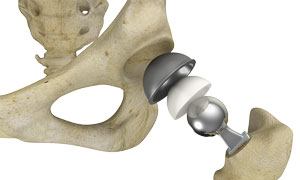
What is a complex primary total hip replacement?
A complex primary total hip replacement is a hip replacement that is technically more challenging usually due to anatomical considerations or specific patient factors. These can include:
- A combination of abnormal bony anatomy, bone loss, and compromised soft tissues
- Severe arthritic conditions, such as osteoarthritis, rheumatoid arthritis, and post-traumatic arthritis of the hip joints
- Hip dysplasia
- Prior hip surgery
- Post traumatic hip arthritis/ prior hip fracture
- Significant hip stiffness
- Hip instability
How is Complex Primary Hip Replacement Surgery Performed?
A complex primary THA is performed similar to that of a standard THA however it often involves more detailed planning, advanced techniques, and can include the need for specialized implants due to anatomical challenges. Sometimes advanced imaging is needed to assess the hip joint, bone stock, and surrounding soft tissues. Prior surgery and retained hardware often necessitate an infectious workup which includes inflammatory blood work and possibly a hip aspiration.
What Does Postoperative Care for Complex Primary Hip Replacement Involve?
In general, postoperative care instructions and recovery after complex primary hip replacement are similar to a primary hip replacement.
- You will be transferred to the recovery area where your nurse will monitor your vital signs as you recover.
- You may notice pain, swelling, and discomfort in the hip area. Pain and anti-inflammatory medications are provided pre-operatively
- You will be placed on assistive devices such as walker or cane. Often times there are no weight bearing or leg position precautions, but this can be modified on a case by case basis
- You are encouraged to walk with assistance as frequently as possible to prevent blood clots.
- Instructions on surgical site care and bathing will be provided to keep the dressing clean and dry.
- Home therapy is arranged initially to help with immediate physical therapy
- Most patients are discharged home on the same day as surgery or after a 23-hour stay in the hospital
- Most patients are able to resume their normal activities in 3 to 4 weeks after surgery
What are the Risks and Complications of Complex Primary Hip Replacement?
Complex primary hip replacement is a relatively safe procedure; however, as with any surgery, some risks and complications may occur, such as the following:
- Bleeding
- Infection
- Damage to surrounding structures, nerves and vessels
- Blood clots in the legs or lungs
- Fracture
- Dislocation, instability
- Leg length discrepancy
- Continued pain or stiffness
- Implant failure/loosening
- Possible need for revision surgery
For more information about our services or to schedule an appointment, call us at or click here to request an appointment online. We’ll respond to you as soon as possible.


